
Surfing Blog #8 Surfing in Different Conditions
Surfing in Different Conditions: Calm vs. Choppy Seas
The Ocean’s Moods
One of the most humbling lessons surfing has taught me is that the ocean has moods. Some days it greets you with calm, glassy waves that look like they were sculpted for surfers. Other days it throws chaos at you—choppy seas, unpredictable peaks, and relentless whitewater.
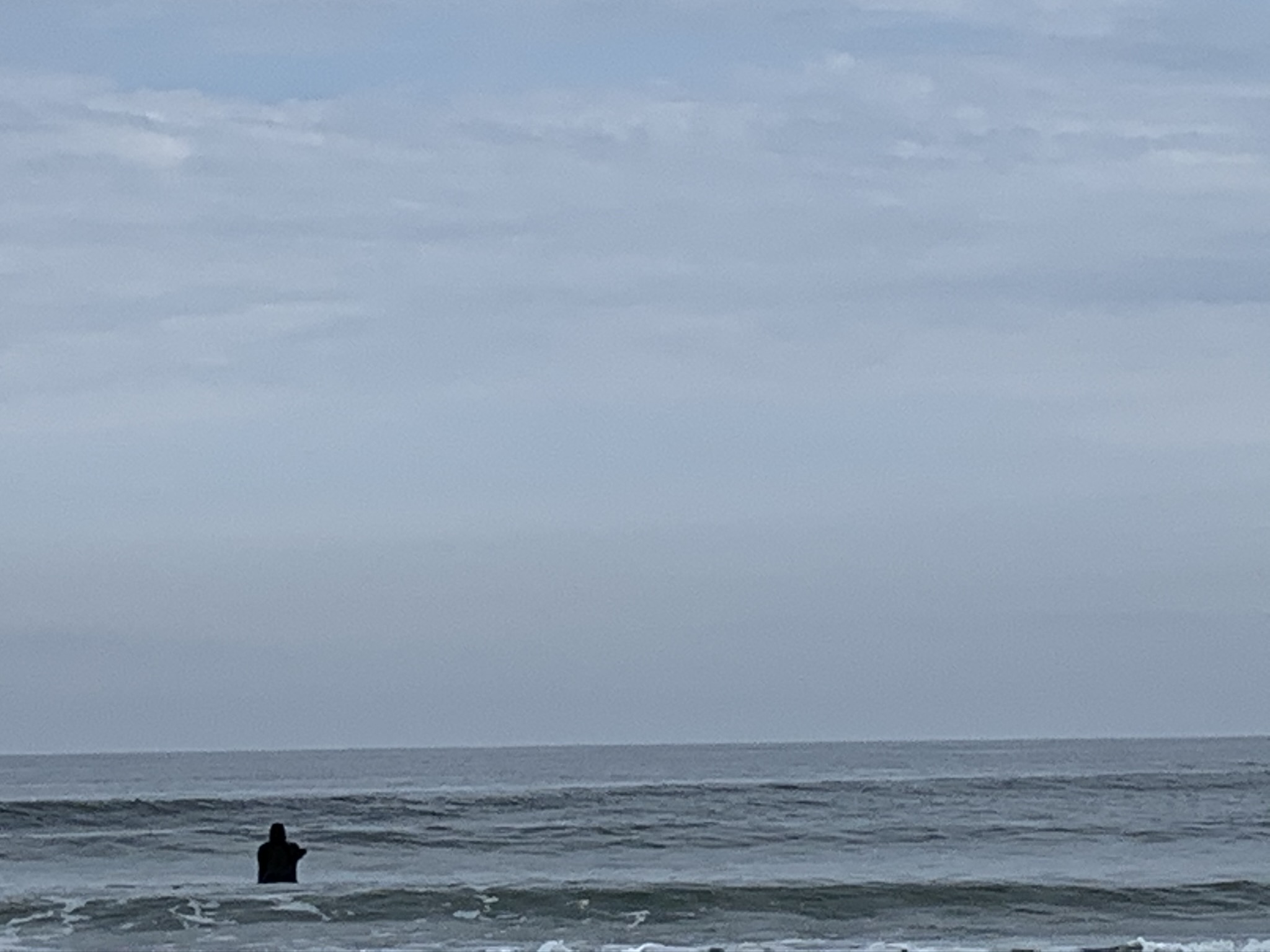
In New Hampshire and Massachusetts, those moods change constantly. You will often have almost no waves at all, sometimes tiny ½‑ to 1‑footers, sometimes fun 2‑ to 3‑footers, sometimes large 6‑plus‑foot waves, and often a choppy mess making it hard to even tell how big the waves are because it’s just a jumble. And then, once in a while, you get those magical glassy, well‑formed 3‑footers that break progressively down the line rather than collapsing all at once—just like the surf videos you see on YouTube.
Learning to surf here means learning to adapt to all of it. Calm seas and choppy seas each bring their own challenges, their own lessons, and their own rewards.
Calm Seas: The Surfer’s Dream
There’s nothing quite like paddling out on a calm day. The water is smooth, the waves glassy rollers, and the lineup feels almost serene.
• Glassy Waves: Calm seas often mean glassy rolling waves, where the surface looks polished and the swell rolls in with precision.
• Easier Paddling: Without chop, paddling feels smoother, less exhausting. You glide instead of fight.
• Clear Takeoffs: The wave face is defined, making it easier to read and time your pop‑up.
• Confidence Builder: Calm seas give beginners a chance to focus on technique without being overwhelmed by chaos.
For me, calm seas were the first place I truly felt progress. Catching green waves became possible. Timing improved. Confidence grew.
The Joy of Small Days
Some of the most fun I’ve ever had surfing has been on small 1‑ to 2‑foot days. On those sessions, you can catch wave after tiny wave, practicing your popup, refining your stance, and even working on turning down the line. Many people refuse to surf these small days. Not me. I just love the act of surfing regardless of wave size.
As long as the waves are large enough to propel me, they’re large enough for me to have fun. Those small days are playful, forgiving, and endlessly productive. They remind me that surfing isn’t about size—it’s about repetition, practice, and joy.
Ignore the people who cant be bothered. Just go, have fun.
Choppy Seas: The Surfer’s Test
Then there are the days when the ocean is restless. Choppy seas mean wind, uneven peaks, and unpredictable conditions.
• Constant Resistance: Paddling becomes a battle. Every stroke feels harder, every breath shorter.
• Unstable Takeoffs: Waves break unevenly, making it harder to find the right spot.
• Mental Challenge: Choppy seas test patience and resilience. It’s easy to feel defeated when every attempt ends in a wipeout.
• Hidden Lessons: Despite the frustration, choppy seas teach balance, endurance, and adaptability.
Some of my greatest gains in ability have come on these junky days, when the waves are absolute chaos with very little time in between them. These sessions force you to adapt, to make horrible waves work, to find opportunity in disorder. They are a true challenge to catch and ride, but the payoff is immense: the more junk days you surf, the easier glassy days feel.
If you can surf junk, you can absolutely surf the clean, peeling waves you see in videos.
Why Consistency Beats Perfection
I’ve learned that you will be a better surfer by not being picky. Go out whenever the waves can propel your board. Surf it all, as long as you’re safe.
A friend of mine who surfs with me occasionally is always turning down offers to paddle out. The weather is too cold, the water is too cold, the waves are too choppy, too small, or any other reason. He only goes out on perfect days. And guess what? In the three years we’ve surfed together, he hasn’t improved at all.
He gets very little time in the water, and that just doesn’t cut it if you want to progress. Surfing ability is built on time in the ocean, not waiting for perfection.
Comparing Calm and Choppy
Surfing in calm seas feels like a gift. Surfing in choppy seas feels like a test. Both matter.
• Calm seas let you refine technique.
• Choppy seas force you to build endurance.
• Small days give you repetition.
• Junk days teach adaptability.
• Perfect days reward persistence.
Together, they shape you into a more complete surfer.
Final Thoughts
Surfing in New England means embracing constant change. Some days you’ll find yourself staring at flat water, other days battling a messy jumble of chop, and once in a while celebrating those rare glassy 3‑footers that peel beautifully down the line.
Some of the most fun days are small ones, catching wave after wave and practicing fundamentals. Some of the most valuable days are junky ones, forcing you to adapt and grow. And the rare perfect days are the reward for all the effort.
Calm seas remind you why you fell in love with surfing. Choppy seas remind you why persistence matters. Small days remind you that joy is found in repetition. Junk days remind you that growth comes from struggle.
Surf it all, as long as you’re safe. Because in the end, surfing isn’t about waiting for perfection—it’s about embracing the ocean in all its moods.