
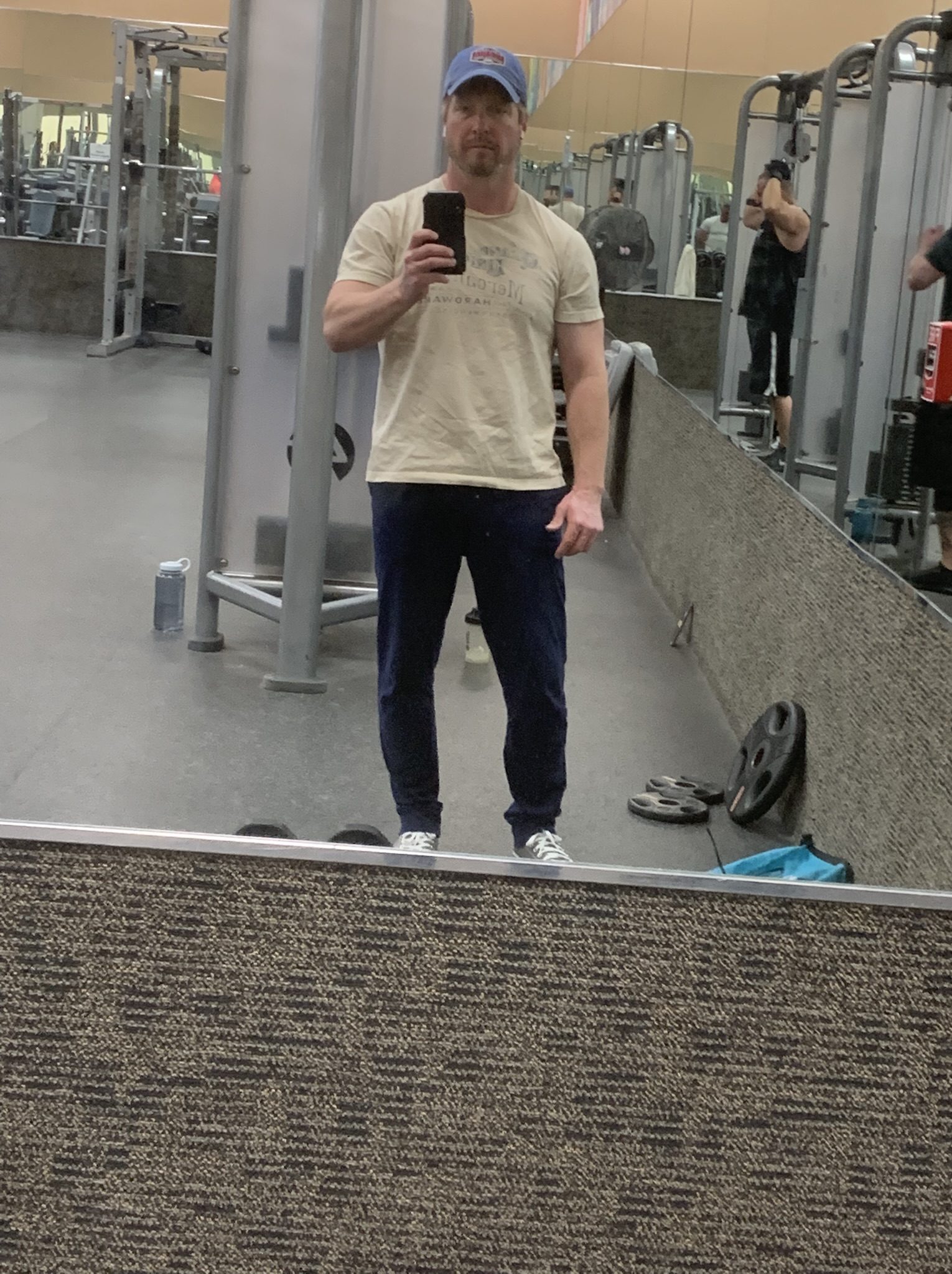
Surfing Blog Post #7 Building Strength for Surfing: My Fitness Journey
Building Strength for Surfing: My Fitness Journey
Surfing Demands More Than Just Strength
When people picture surfing, they often imagine balance, timing, and grace. What they don’t see is the sheer physical demand behind every ride. Surfing requires muscle strength, muscle endurance, and cardiovascular fitness all working together.
The hardest part for me wasn’t standing up on the board—it was paddling. I found it incredibly difficult to build enough upper‑body endurance to avoid early fatigue. Even when I felt strong from weight lifting, I would tire quickly in the water. Strength alone wasn’t enough.
Why Strength Isn’t Enough
I’ve spent plenty of time in gyms, lifting weights and building muscle. That helped with raw strength, but surfing demands something different. It requires repetitive, sustained effort—paddling hard, ducking under waves, paddling again, repeating the cycle endlessly.
I guarantee that some of the huge bodybuilder‑type people you see on the beach would become exhausted very rapidly if they tried to paddle out through the break or even just paddle into a wave or two. Surfing isn’t about how much weight you can lift once—it’s about how long you can keep moving against resistance.
That’s why muscle endurance is so important. Without it, even the strongest arms and shoulders give out quickly.
The Oxygen Drain
Equally important is cardiovascular fitness. Surfing is, in my experience, the most cardiovascularly challenging sport I’ve ever participated in.
I’ve played competitive soccer, tennis, baseball, cross‑country running, and done plenty of jogging. All of those sports demand stamina, but surfing is different. Paddling hard, ducking under a wave, then paddling again, rinse and repeat—it absolutely sucks the oxygen out of my body.
The ocean doesn’t give you breaks. It keeps coming, wave after wave, and your lungs have to keep up.
Experiments With Fitness Training
So what’s the answer? Over the years, I’ve tried many different forms of exercise to improve my surfing stamina.
• Elliptical Machines: I did a great deal of elliptical work, hoping to improve both upper‑body endurance and cardiovascular fitness. To my surprise, it didn’t seem to have much effect on my ability to paddle or maintain my breath while surfing.
• Rowing: I thought rowing would be perfect—similar motion, full‑body engagement. But again, it didn’t translate. I was surprised at how little it helped in the water.
• Jogging: When I jogged a great deal, I felt in much better shape overall. My cardiovascular fitness improved, but it still didn’t seem to translate directly to surfing stamina.
Each of these exercises had benefits, but none gave me the specific endurance I needed for paddling.
What Actually Helped
Two types of exercise outside of surfing itself did make a difference:
• Core Strengthening: Sit‑ups of any sort, medicine ball lifts, kettlebell swings—anything that built core stability helped me tolerate the demands of surfing. A strong core made paddling more efficient and standing up more controlled.
• Swimming: Swimming was far more effective than I expected. It mimicked the posture, the breathing, and the endurance required for paddling. It didn’t replace surfing, but it came closer than any other exercise.
If I could go back in time, I would have put much more effort into core strengthening and swimming. They improved my functional ability to handle the ocean far more than machines or jogging ever did.
The Champion: Surfing Itself
By far—and I mean far, far, far—the most effective way to improve my surfing stamina was simply surfing.
No gym exercise, no machine, no substitute matched the benefits of paddling on a surfboard. It trained the exact muscles, the exact breathing patterns, and the exact endurance required.
The argument against relying on time in the water is obvious: the waves in Massachusetts and New Hampshire are not consistent. There are many days with virtually no waves, and many others with choppy, poor, junky surf.
But when I committed to getting in the water and paddling as many days each week as I could, regardless of wave quality, my surfing stamina truly improved. Even on flat days, paddling built endurance. Even in junky surf, fighting through the chop built resilience.
My Fitness Philosophy Now
Looking back, here’s how I would summarize my fitness journey for surfing:
• Strength Matters: Resistance training builds the foundation. You need upper‑body strength to paddle and core strength to stabilize.
• Endurance Matters More: Strength without endurance leads to early fatigue. Train for sustained effort, not just maximum output.
• Cardio Is Essential: Surfing drains oxygen faster than any sport I’ve played. Cardiovascular fitness is non‑negotiable.
• Swimming Helps: It’s the closest land‑based exercise to paddling.
• Core Work Helps: It makes everything more efficient.
• Surfing Helps Most: Nothing replaces time on the board. Paddling regularly, regardless of wave quality, is the champion of all training methods.
Why This Journey Matters
For me, surfing isn’t just about catching waves—it’s about building resilience. The fitness journey taught me humility. It showed me that strength alone isn’t enough, that endurance and cardio matter just as much, and that the ocean demands a unique kind of conditioning.
It also taught me persistence. Improvement didn’t come from machines or shortcuts. It came from showing up, paddling out, and committing to the process.
Final Thoughts
Surfing is one of the most physically demanding sports I’ve ever experienced. It requires muscle strength, muscle endurance, and cardiovascular fitness all working together.
I’ve tried machines, jogging, rowing, and weight lifting. Some helped, some didn’t. But the exercises that mattered most were core strengthening, swimming, and—above all—surfing itself.
If I had to give advice to anyone starting their own surfing fitness journey, it would be this: build strength, build endurance, build cardio. But don’t forget that the best training is the ocean itself. Get in the water. Paddle. Repeat.
Because in the end, surfing fitness isn’t built in the gym. It’s built in the waves.