
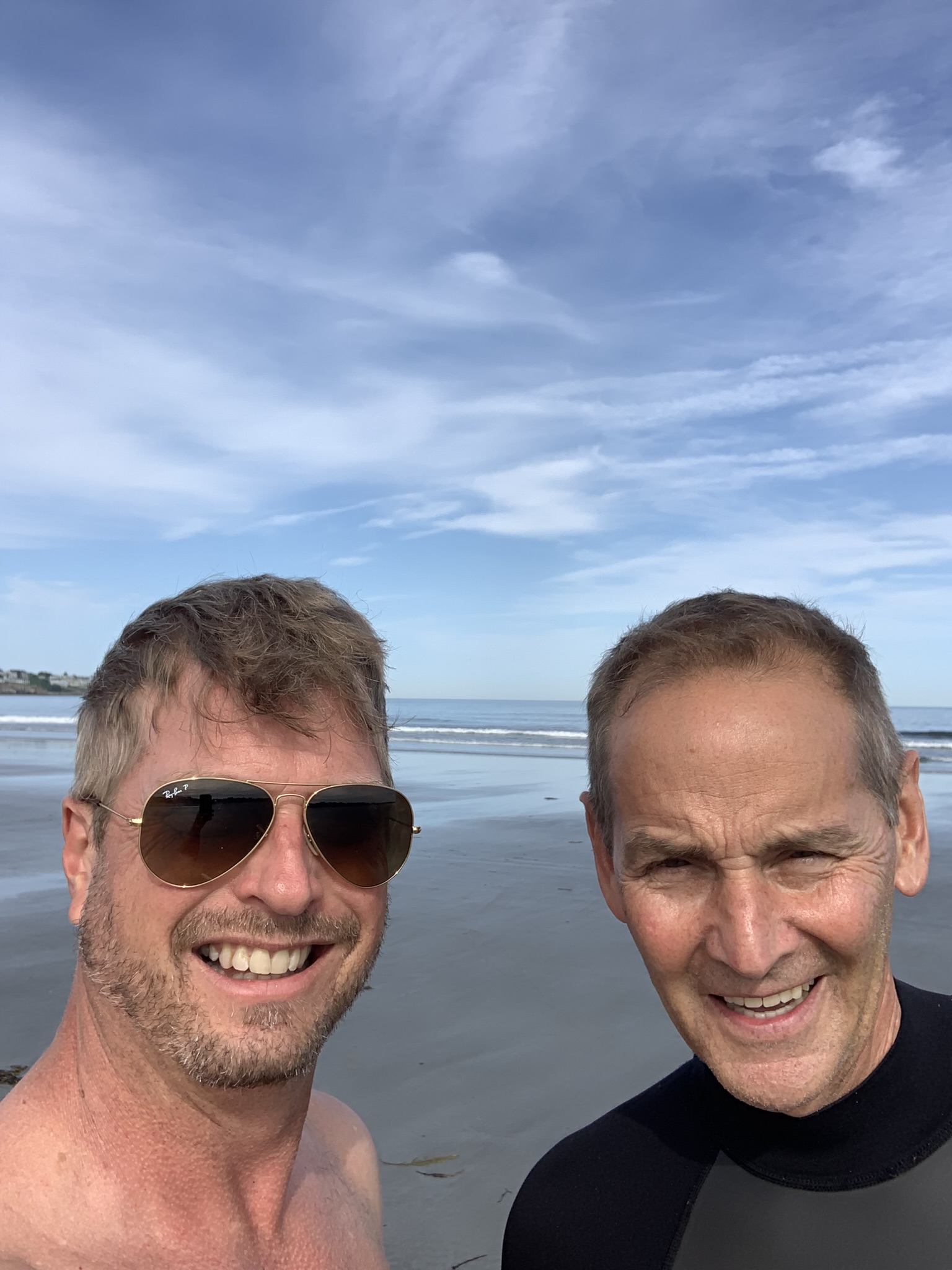
Facing the Waves with Wisdom, Humor, and a Stubborn Will to Keep Going
Surfing in your 50s isn’t a midlife crisis. It’s a midlife awakening — one that comes with sore shoulders, humbling wipeouts, and a surprising amount of joy. Every beginner surfer faces challenges, but when you’re learning later in life, those challenges hit a little differently. They’re sharper, more personal, and somehow more meaningful.
Here’s what it really looks like to face the waves when you’re old enough to know better but young enough to still want more.
The Body You Have Now vs. the Body You Remember
There’s a moment every older beginner surfer experiences — usually during the first paddle out — when you realize your body has its own opinions about this whole surfing thing.
You don’t bounce like you used to. You don’t recover like you used to. And flexibility? That’s now a negotiation, not a guarantee.
But here’s what matters: Surfing in your 50s isn’t about pretending you’re 20 again. It’s about learning how to work with the body you have now. You warm up longer. You stretch more. You build strength slowly. And you accept that progress is measured in small, steady wins — not explosive leaps.
The ocean doesn’t care how old you are. It only cares that you show up.
The Humbling Reality of Paddling
If surfing were a video game, paddling would be the boss level — and it’s a boss that doesn’t go easy on older players.
The first shock is how quickly you get winded. The second is how long it takes to build endurance. The third is realizing that paddling is 90% of surfing.
There’s no shortcut. No hack. No finesse move. You just paddle, and paddle, and paddle some more.
But here’s the quiet truth: every stroke builds strength. Every session builds stamina. And one day, without noticing, you realize you’re gliding farther, catching more waves, and breathing easier. Paddling becomes less of a battle and more of a rhythm — a moving meditation that reminds you you’re still capable of growth.
The Ego Check
Surfing later in life is a masterclass in humility.
You’ll watch teenagers pop up like they’re made of springs. You’ll see beginners half your age progress twice as fast. You’ll feel like the ocean is personally auditing your life choices.
But surfing forces you to let go of ego. You’re not out there to impress anyone. You’re out there to feel alive.
You’re not chasing perfection — you’re chasing presence. And that’s something younger surfers don’t always understand.
The Progress Plateau That Feels Personal
There will be weeks — maybe months — where you feel stuck. Where every session feels the same. Where you wonder if you’re too old for this. Where you question whether you’re improving at all.
But progress in your 50s is subtle. It shows up in:
- Better positioning
- Better timing
- Fewer wipeouts
- More confidence
- A calmer mind
It’s not flashy, but it’s real. And it compounds.
Surfing rewards persistence, not perfection.
The Power of Surfing Junky Waves
This is where older surfers quietly shine, being mature enough to accept and see this reality:
Junky waves — the messy, unpredictable, wind‑chopped stuff — are where you build real skill. They force you to adapt. They sharpen your timing. They strengthen your paddling. They teach you to read chaos and find opportunity inside it.
Perfect waves don’t make you better. Imperfect waves do.
And when you’re learning later in life, every ounce of practice matters.
The Unexpected Joys
For all the challenges, surfing in your 50s delivers moments that feel almost sacred.
The first clean ride after weeks of struggle. The quiet of dawn patrol. The feeling of being awake, alive, and in motion. The pride of doing something most people your age would never attempt.
These moments hit harder because you’ve lived long enough to appreciate them. You know how rare it is to feel this kind of joy — the kind that comes from effort, courage, and choosing to keep going.
You’re Not Too Old — You’re Just Getting Started
This is the heart of it.
Surfing later in life isn’t about chasing mastery. It’s about choosing growth when the world expects you to shrink. It’s about saying yes to discomfort, yes to challenge, yes to the ocean. It’s about rewriting the story of what your 50s are supposed to look like.
You’re not too old. You’re not behind. You’re not late to the party.
You’re exactly where you’re meant to be — standing at the edge of the water, ready to paddle into the next chapter of your life.